In today’s article, we will be discussing an essential topic for all dog owners - puppy vaccination schedules. Vaccinations are a crucial part of keeping your furry friend healthy and protected against various diseases and infections. By following a proper vaccination schedule, you can ensure that your puppy grows up strong and stays safe from harmful illnesses.
The Importance of Puppy Vaccinations
As responsible pet owners, it is our duty to take care of our puppies’ health and well-being. Vaccinations play a vital role in preventing various diseases that can be life-threatening for our furry companions. These immunizations are designed to stimulate the immune system and prepare it to fight against specific viruses, bacteria, and other disease-causing organisms.
Vaccines work by introducing a small, harmless portion of the virus or bacteria into the puppy’s body. This allows the immune system to recognize these harmful substances and create a defense mechanism against them. In the future, if the puppy comes into contact with the actual disease, its immune system will be ready to fight it off.
The Puppy Vaccination Schedule
Now that we understand the importance of vaccinations, let’s take a look at a recommended puppy vaccination schedule:
6-8 Weeks: Distemper, Hepatitis, Parainfluenza, Parvovirus (DHPP)
 This initial vaccine covers four highly contagious diseases that can be especially dangerous for puppies. These diseases can lead to severe symptoms, such as respiratory problems, vomiting, diarrhea, and in some cases, even death. Vaccinating your puppy against DHPP is essential for its overall well-being.
10-12 Weeks: Distemper, Hepatitis, Parainfluenza, Parvovirus (DHPP) and Bordetella
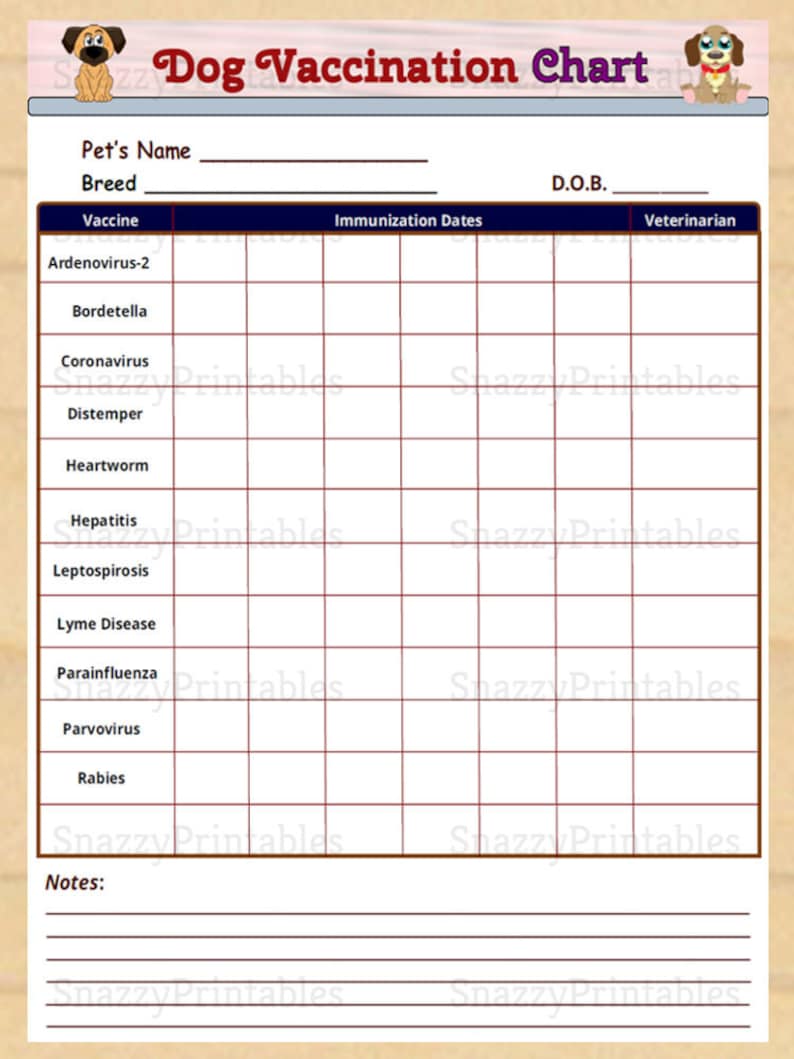 At this stage, your puppy should receive booster shots for DHPP, ensuring its immunity remains strong. Additionally, the Bordetella vaccine, commonly known as the kennel cough vaccine, is administered. Kennel cough is a highly contagious respiratory infection that can spread quickly in environments where dogs are in close proximity to each other, such as boarding facilities or dog parks.
14-16 Weeks: Distemper, Hepatitis, Parainfluenza, Parvovirus (DHPP), Leptospirosis, and Rabies
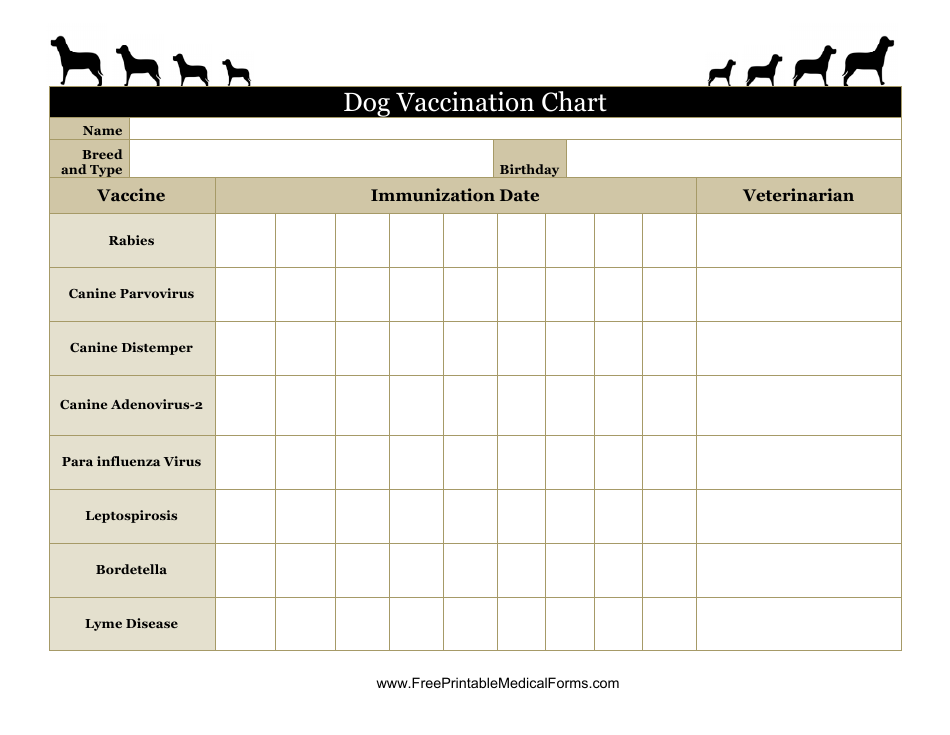 During this stage, your puppy will receive boosters for the DHPP vaccine, as well as additional vaccinations for leptospirosis and rabies. Leptospirosis is a bacterial infection that spreads through contaminated water and can cause kidney and liver damage. Rabies, on the other hand, is a fatal viral disease that affects the central nervous system and can be transmitted to humans.
Continuing Vaccination Boosters
After the initial puppy vaccination schedule, it’s important to continue with regular booster shots to maintain your dog’s immunity. These boosters will help reinforce their protection against the diseases we’ve discussed.
Remember, each dog is unique, and vaccination schedules may vary depending on factors like breed, lifestyle, and geographic location. It’s crucial to consult with your veterinarian to determine the best vaccination plan for your furry friend.
By following a proper vaccination schedule and staying consistent with booster shots, you are taking an important step towards ensuring your puppy’s long and healthy life. Vaccinations are a crucial part of responsible pet ownership and should be treated with utmost importance.
Always remember to consult with your veterinarian to create a personalized vaccination plan for your puppy. They are the best source of advice and can guide you through the entire process. Protect your beloved furry companion by staying on top of their vaccinations. Your puppy will thank you for it!
