A healthy diet should include a variety of nutrients, and one essential component is fiber. Fiber is a type of carbohydrate that is not digested by the body, but it plays a crucial role in maintaining good health. There are two main types of fiber: soluble and insoluble fiber. Soluble fiber dissolves in water and forms a gel-like substance in the gut, while insoluble fiber does not dissolve in water and adds bulk to the stool.
Soluble Fiber Foods Chart
 One useful resource to help you incorporate soluble fiber into your diet is a soluble fiber foods chart. This chart provides a list of foods that are high in soluble fiber, making it easier for you to plan your meals accordingly. Including soluble fiber in your diet has several benefits and can help improve your overall health.
The Benefits of Soluble Fiber
 Consuming soluble fiber has numerous benefits for our bodies. One of the primary benefits is its ability to lower cholesterol levels. Soluble fiber forms a gel-like substance in the digestive system, which binds to cholesterol and prevents it from being absorbed into the bloodstream. This can help reduce the risk of heart disease and improve heart health.
In addition to its cholesterol-lowering effects, soluble fiber also helps regulate blood sugar levels. When we eat foods that are rich in soluble fiber, the digestion process slows down, which prevents a rapid rise in blood sugar levels. This can be particularly beneficial for individuals with diabetes or those at risk of developing diabetes.
Adding soluble fiber to your diet can also aid in weight management. Foods high in soluble fiber tend to be more filling, which can help reduce appetite and prevent overeating. The gel-like substance formed by soluble fiber also slows down the emptying of the stomach, leading to a longer-lasting feeling of fullness.
High Fiber Foods
 High fiber foods are an excellent addition to any diet. They provide numerous health benefits, including improved digestion, weight management, and reduced risk of chronic diseases. A high fiber diet can help prevent constipation by adding bulk to the stool and promoting regular bowel movements.
Fruits, vegetables, whole grains, legumes, and nuts and seeds are all excellent sources of fiber. Including a variety of these foods in your daily meals ensures that you are getting the necessary nutrients and fiber your body needs to function optimally.
Benefits of Starting Your Day with High Fiber Breakfast
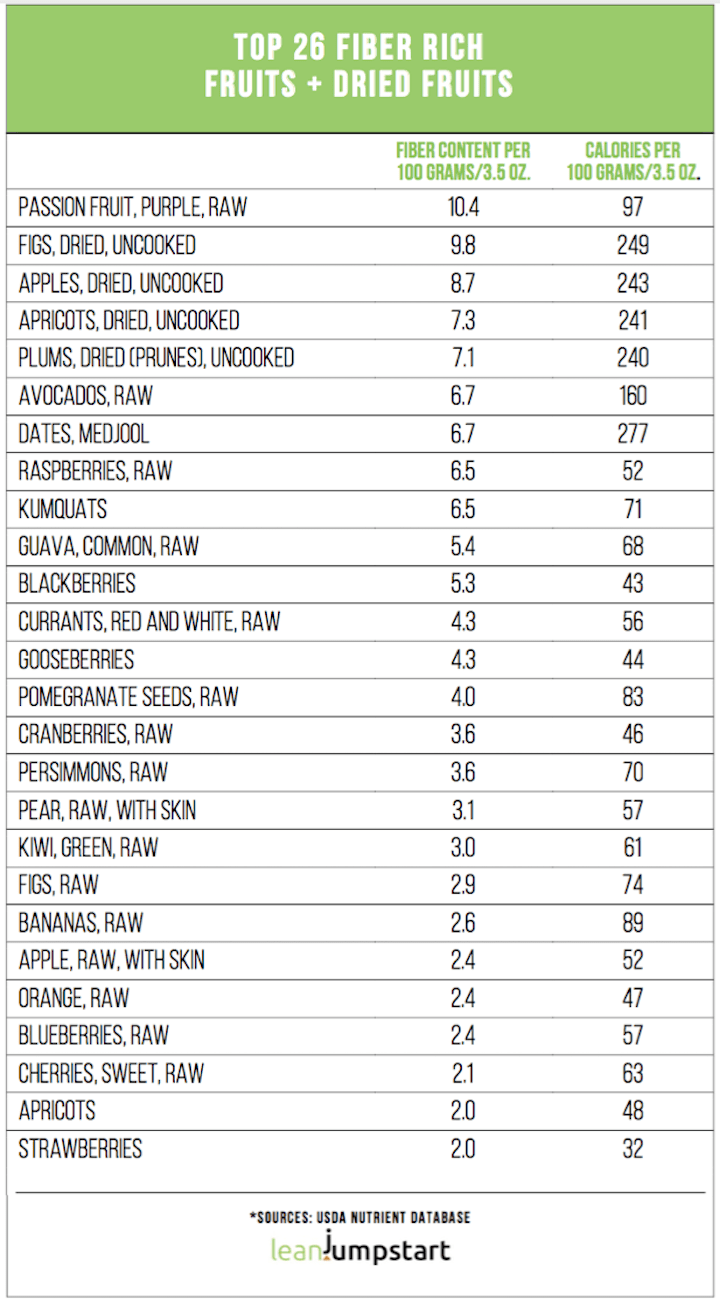 Starting your day with a high fiber breakfast is an excellent way to kickstart your metabolism and provide your body with long-lasting energy. A nutrient-dense breakfast that is high in fiber can keep you feeling full and satisfied throughout the morning, preventing the urge to snack on unhealthy foods.
Incorporating fruits, whole grains, and nuts into your breakfast can provide a substantial amount of fiber. For example, a bowl of oatmeal topped with fresh berries and a sprinkle of flaxseeds is a delicious and fiber-rich choice. Alternatively, a vegetable omelet with a slice of whole grain toast can also provide a good amount of fiber to start your day.
Types of Dietary Fibers
 Dietary fibers come in two main forms: soluble and insoluble fibers. Soluble fiber dissolves in water and forms a gel-like substance, while insoluble fiber does not dissolve and adds bulk to the stool. Both types of fiber have their benefits and play a crucial role in maintaining a healthy digestive system.
While soluble fiber has been discussed earlier, insoluble fiber contributes to a healthy digestive system by promoting regular bowel movements and preventing constipation. It adds bulk to your stool, making it easier to pass through the digestive tract. Good sources of insoluble fiber include whole grains, nuts, seeds, and the skin of fruits and vegetables.
Conclusion
 Incorporating fiber-rich foods, especially those high in soluble fiber, into your daily diet offers numerous health benefits. From lowering cholesterol levels to regulating blood sugar and aiding in weight management, the benefits of soluble fiber are vast. Additionally, high fiber foods, both soluble and insoluble, contribute to a healthy digestive system, prevent constipation, and reduce the risk of chronic diseases.
Consider referring to a printable soluble fiber foods chart to help you navigate the vast array of high fiber foods available. By including a variety of fruits, vegetables, whole grains, legumes, nuts, and seeds in your meals, you can easily meet your daily fiber needs and enhance your overall well-being. Start your day with a high fiber breakfast to provide your body with sustained energy and ensure a nutrient-dense start to the day. With simple dietary adjustments, you can reap the benefits of fiber and improve your overall health.
