GERD, or Gastroesophageal Reflux Disease, is a condition that many people suffer from, regardless of their ethnicity. It is characterized by the backward flow of stomach acid into the esophagus, causing symptoms such as heartburn, regurgitation, and chest pain. Managing GERD involves making dietary changes and avoiding certain foods that can trigger acid reflux. Let’s explore some foods to avoid and what you can eat to alleviate GERD symptoms.
Foods to Avoid:
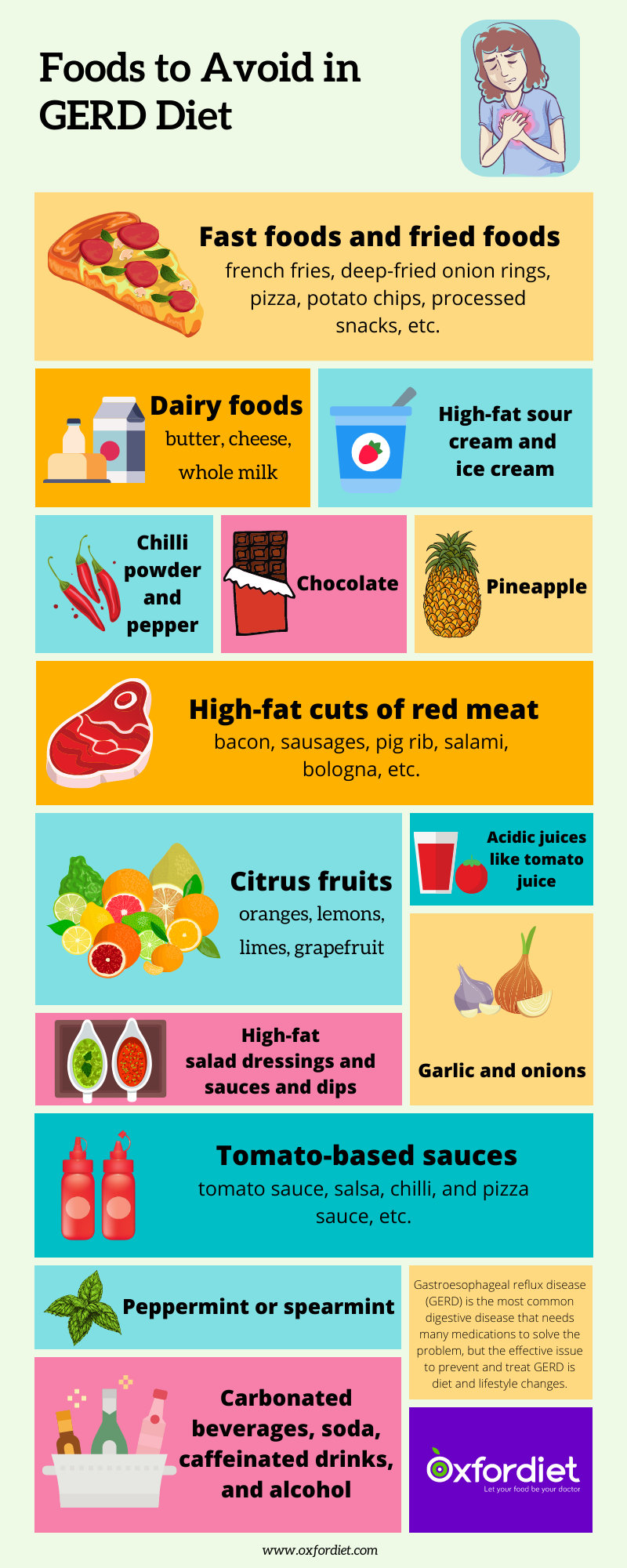
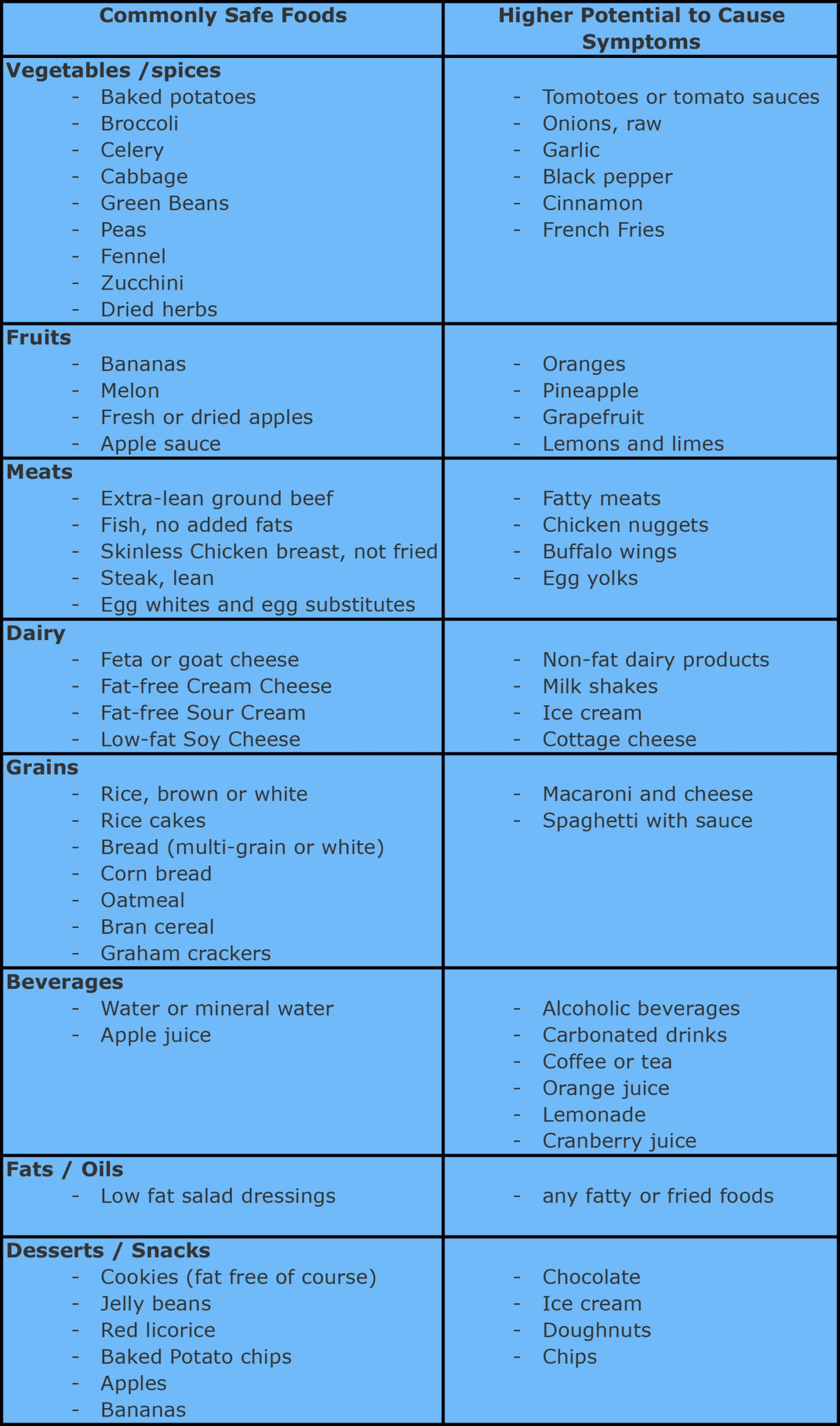
1. Citrus Fruits: While fruits like oranges and grapefruits are packed with vitamin C, they are highly acidic and can worsen acid reflux. Try opting for other fruits like melons or bananas instead.
 2. Spicy Foods: Spices like chili powder, black pepper, and garlic can irritate the esophagus, leading to acid reflux. Consider reducing the spice levels in your meals or opting for milder seasonings.
 3. Carbonated Drinks: Soda and other carbonated beverages can cause bloating and increase the likelihood of acid reflux. It’s best to stick to still water or herbal teas.
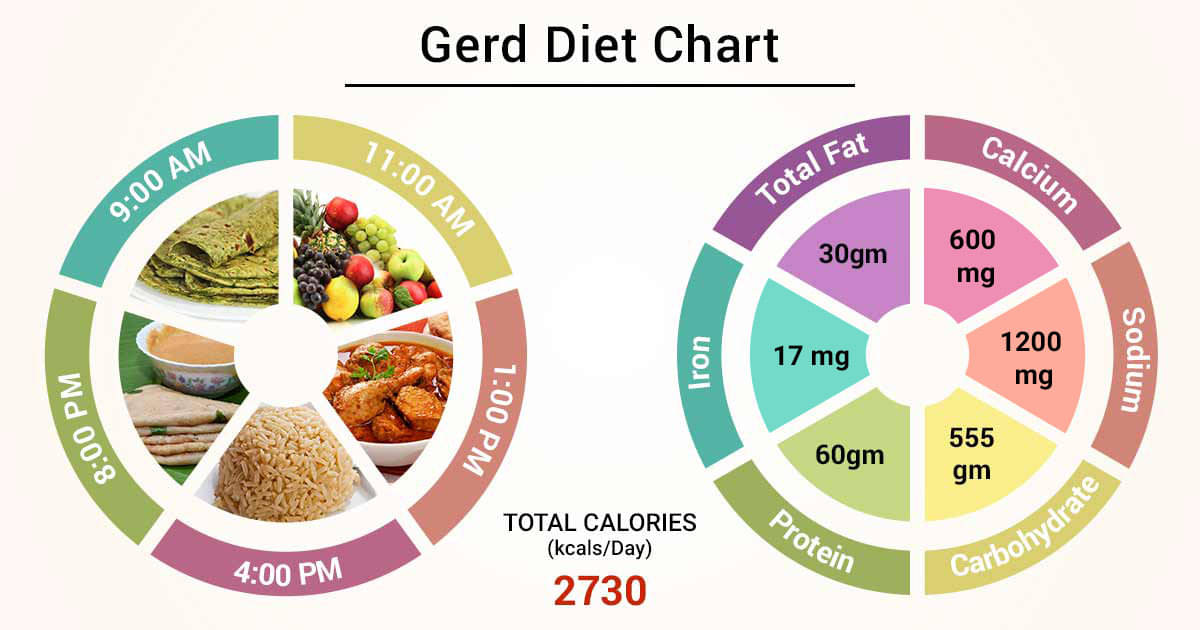 4. Chocolate: As much as we love chocolate, it contains caffeine and a compound called theobromine that can relax the esophageal sphincter, allowing stomach acid to flow back up. Opt for non-chocolate desserts instead.
 Foods to Eat:
1. Oatmeal: A warm bowl of oatmeal can help absorb excess stomach acid and provide relief from GERD symptoms. Add some sliced fruits for a nutritious and filling breakfast.
 2. Lean Proteins: Choose lean cuts of chicken, turkey, or fish as they are less likely to trigger acid reflux. Avoid fried or fatty meats, as they can aggravate GERD symptoms.
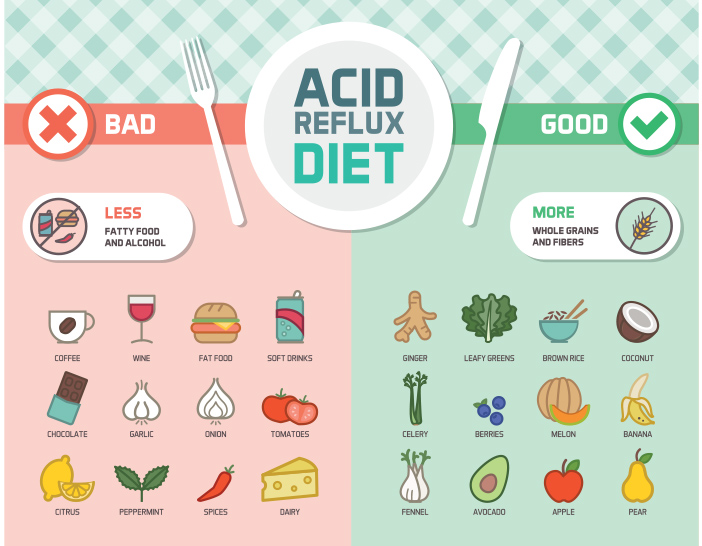 3. Ginger: Known for its anti-inflammatory properties, ginger can soothe the digestive system and reduce the risk of acid reflux. Ginger tea or adding fresh ginger to meals can be beneficial.
4. Leafy Greens: Vegetables like spinach, kale, and broccoli are low in acid and high in fiber, making them ideal choices for individuals with GERD. They can help regulate digestion and prevent acid reflux.
 Remember, it’s important to listen to your body and identify trigger foods that worsen your symptoms. GERD management is highly individualized, so what works for one person may not work for another. Consider keeping a food diary to track your symptoms and determine which foods to avoid or include in your diet.
