A comprehensive eye exam is an essential part of maintaining your overall health and well-being. It allows eye care professionals to assess your visual acuity, diagnose any potential eye conditions or diseases, and provide necessary treatments or corrective measures. To ensure accurate results, various eye charts are used during these exams, catering to different age groups and purposes.
Pediatric Eye Test Chart
 One of the eye charts commonly used for young children is the pediatric eye test chart. This chart is specifically designed for kindergarten-age children, as it includes easily recognizable symbols and shapes, such as apples, houses, and smiley faces. By using familiar images, it helps eye care professionals assess a child’s visual acuity and identify potential vision issues early on.
Problem Solving Eye Power Test Chart
 Another type of eye chart that can be used during an eye exam is the Problem Solving Eye Power Test Chart. This chart starts with a practice section to familiarize the patient with the different patterns they will encounter. It then presents a variety of shapes and patterns that gradually decrease in size. This helps eye care professionals evaluate visual acuity, depth perception, and problem-solving abilities.
Snellen Eye Chart
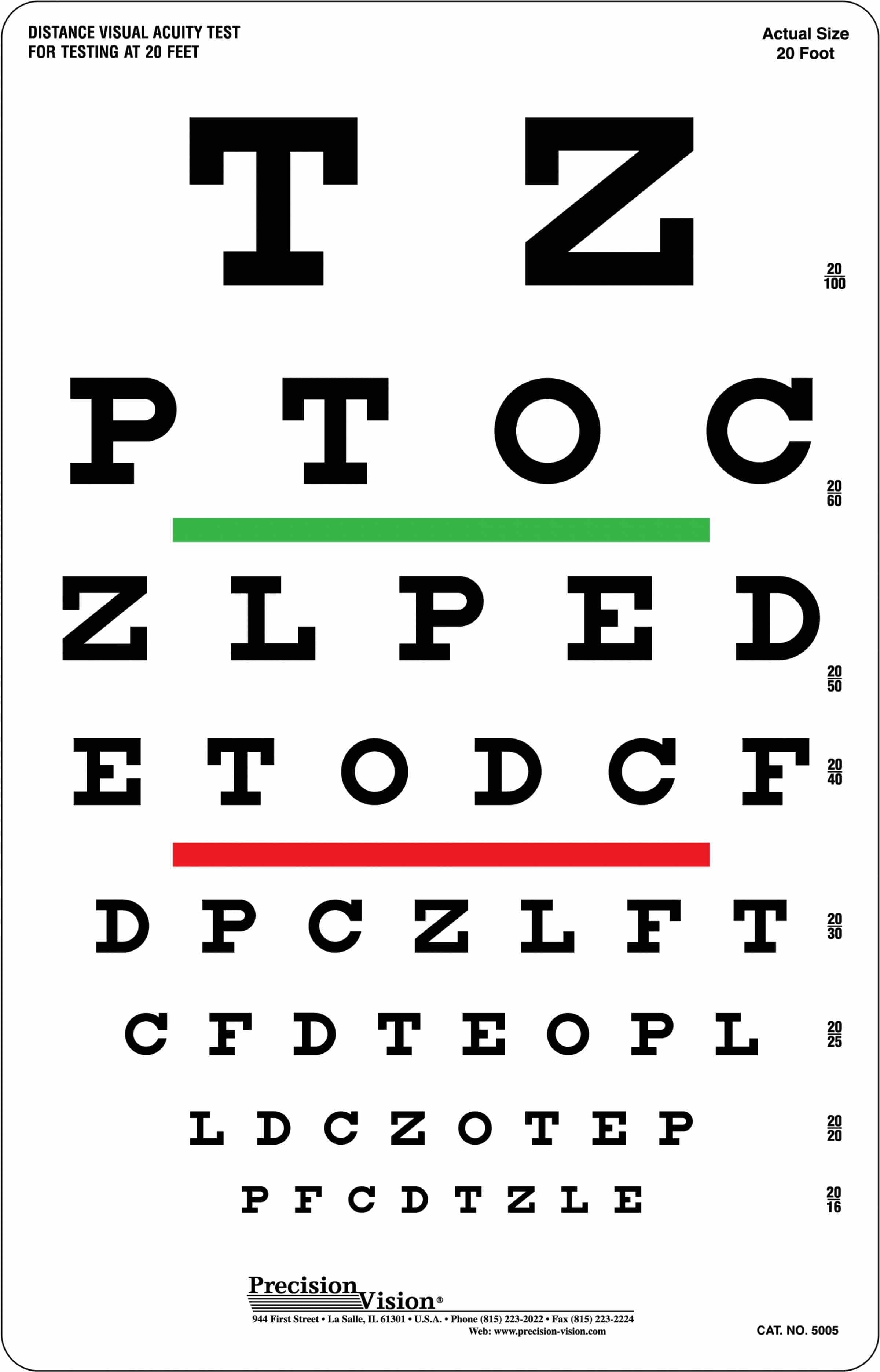 The Snellen Eye Chart is perhaps one of the most recognizable eye charts in eye care industry. It consists of multiple rows of letters, with the largest letters at the top and progressively smaller letters as you move down. This chart is commonly used to assess visual acuity and to determine the sharpness and clarity of an individual’s vision. By measuring the smallest line of letters that a person can accurately read, eye care professionals can determine the level of visual impairment or clarity.
Eye exams are crucial for individuals of all ages, including children and adults. Regular eye exams can help in early detection and diagnosis of various eye conditions, such as nearsightedness, farsightedness, astigmatism, and even eye diseases like glaucoma and cataracts. It is recommended to have a comprehensive eye exam at least once every two years, or as advised by your eye care professional.
Remember, the key to maintaining good eye health is early detection and prompt treatment when needed. So next time you are due for an eye exam, embrace the process and trust the expertise of your eye care professional.
