Welcome to our guide on the Twelve Steps program! These steps have been incredibly beneficial for many individuals seeking addiction recovery, and we’re here to provide you with valuable resources and support along the way. So, let’s dive right in!
Step 1: Admitting Powerlessness
 The first step in the Twelve Steps program is to admit that we are powerless over our addiction and that our lives have become unmanageable. It takes great courage to acknowledge this, but it is an essential step towards recovery. These worksheets will guide you through the process of self-reflection and help you understand the nature of your addiction.
Step 2: Believe in a Higher Power
 Step 2 involves developing a belief in a higher power that can restore us to sanity. This doesn’t necessarily mean believing in a specific religion or deity; it’s about finding something greater than ourselves that we can rely on for guidance and strength.
Step 3: Surrendering to the Higher Power
 Once we have established a belief in a higher power, Step 3 calls for surrendering our will and lives over to the care of that power. It’s about letting go of our need for control and trusting in something greater than ourselves.
Step 4: Conducting a Personal Inventory
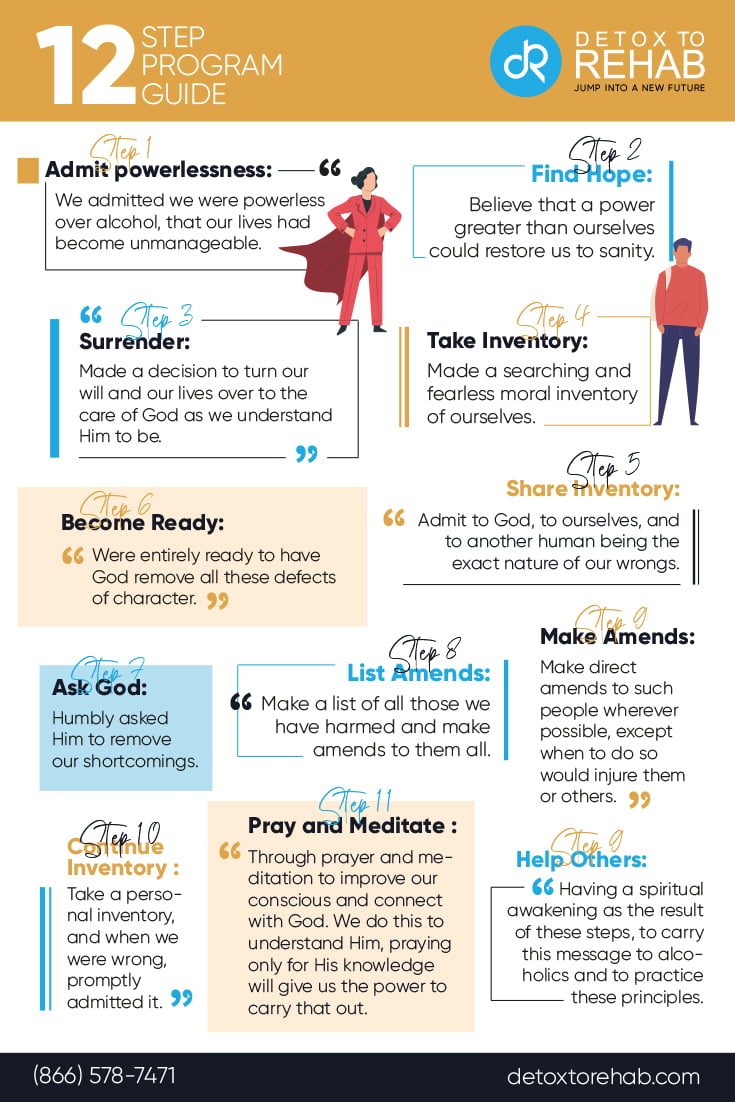 In Step 4, we embark on a fearless and thorough moral inventory of ourselves. It involves taking a close look at our resentments, fears, and harmful behaviors. This step allows us to identify patterns that contribute to our addiction and begin the process of healing.
Step 5: Admitting Wrongs to Others
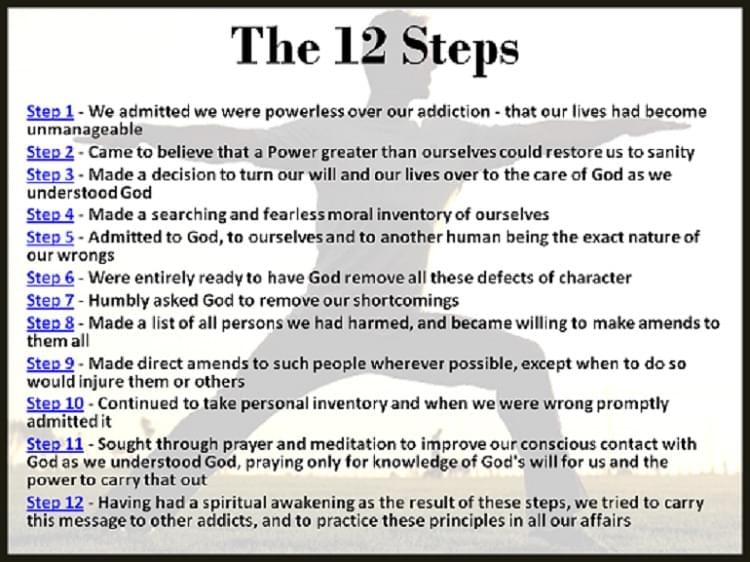 Step 5 is about admitting to ourselves, our higher power, and another person the exact nature of our wrongs. It requires honesty, vulnerability, and a willingness to seek forgiveness. Sharing our past with a trusted individual can be cathartic and aids in our recovery journey.
Step 6: Becoming Willing to Change
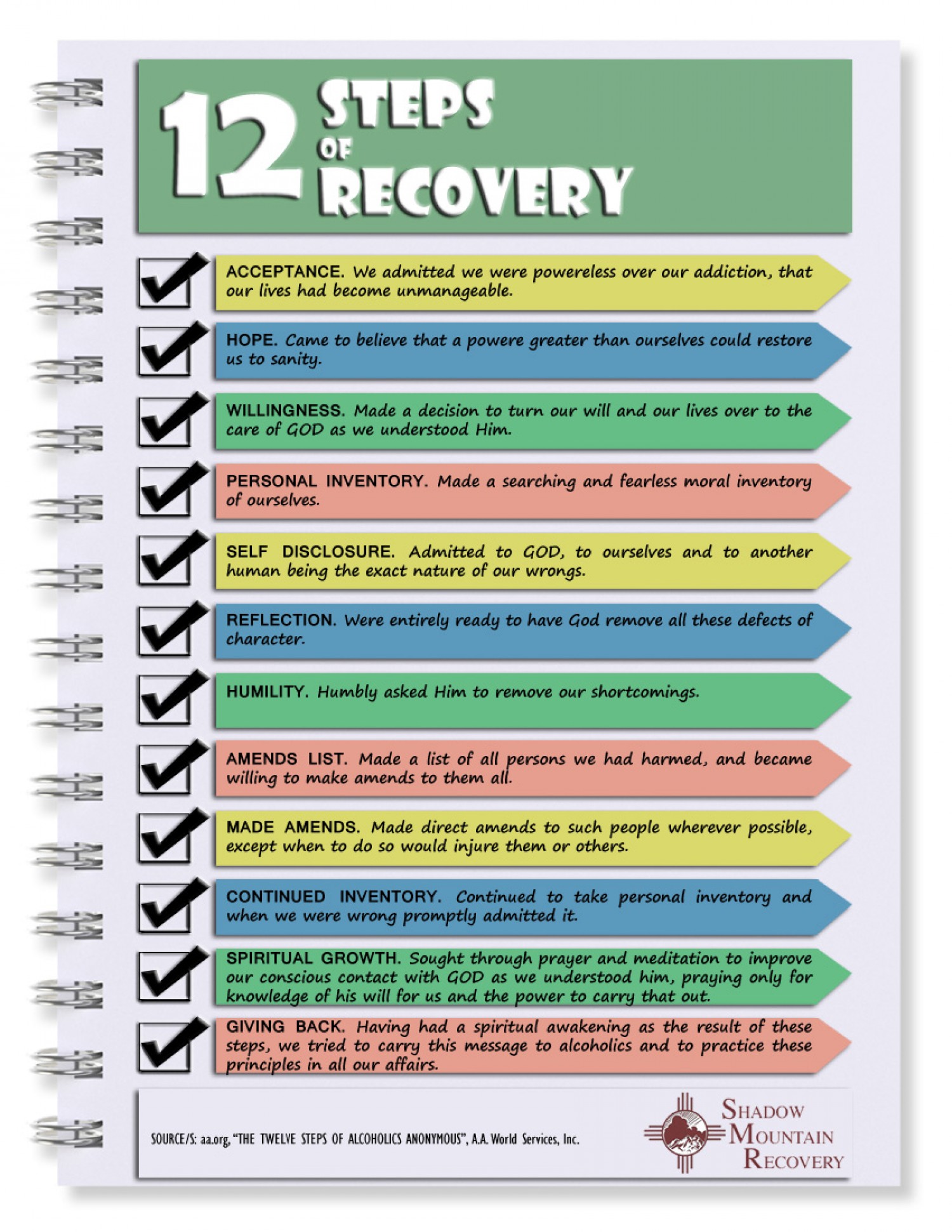 After identifying our defects of character in Step 4, Step 6 involves becoming entirely ready to have these defects removed. It requires humility and a genuine willingness to leave our old ways behind as we move towards positive change.
Step 7: Asking a Higher Power for Help
 Step 7 is about humbly asking our higher power to remove our shortcomings. We recognize that we cannot do this alone and need the guidance and support of something greater than ourselves. This step cultivates trust in the process of recovery.
Step 8: Making a List of Amends
 In Step 8, we make a list of all the individuals we have harmed through our addiction. This includes both direct and indirect harm. This step lays the foundation for making amends and rebuilding broken relationships.
Step 9: Making Direct Amends
 Step 9 involves making direct amends to the individuals we have identified in Step 8, except when doing so would harm them or others. This step requires immense courage, honesty, and sincere efforts to repair the damage caused by our addiction.
Step 10: Taking Personal Inventory

These are just the first ten steps of the Twelve Steps program. Each step brings us closer to recovery and a more fulfilling life free from addiction. Remember, you are never alone on this journey. Reach out to your support network, attend meetings, and utilize the many resources available to you. Take it one day at a time, and know that recovery is possible!
